
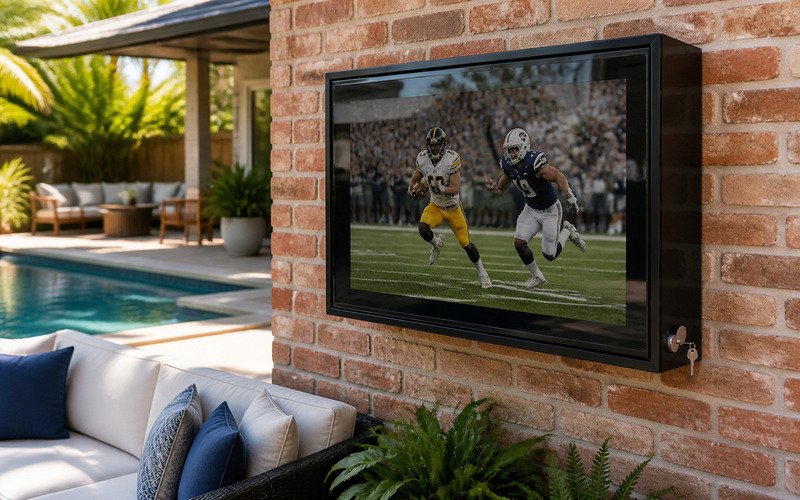
ចង់ដាក់ទូរទស្សន៍នៅខាងក្រៅ ប៉ុន្តែបារម្ភថាវានឹងខូច? ទូរទស្សន៍ក្រៅផ្ទះដែលឧទ្ទិសអាចមានតម្លៃថ្លៃពេកសម្រាប់រានហាល បារ តំបន់អាងហែលទឹកសណ្ឋាគារ ឬទីធ្លាពាណិជ្ជកម្មរបស់អ្នក។ ប៉ុន្តែការដាក់ទូរទស្សន៍ក្នុងផ្ទះដែលគ្មានការការពារនៅខាងក្រៅជាធម្មតាគឺជាគ្រោះមហន្តរាយដែលរង់ចាំកើតឡើង។
ទូការពារទូរទស្សន៍ក្រៅផ្ទះការពារទូរទស្សន៍ធម្មតាដោយបង្កើតកន្លែងការពារដែលគ្រប់គ្រងបាននៅជុំវិញវា។ វាមិនត្រឹមតែជាខែលការពារទឹកភ្លៀងប៉ុណ្ណោះទេ។ ទូដែលរចនាយ៉ាងល្អជួយទប់ស្កាត់ទឹកភ្លៀង ធូលី សត្វល្អិត និងខ្យល់ប្រៃ គ្រប់គ្រងកំដៅដោយលំហូរខ្យល់ និងកង្ហារ កំណត់ការចូលប្រើដោយគ្មានការអនុញ្ញាត និងការពារអេក្រង់ពីហានិភ័យនៃការប៉ះទង្គិចខាងក្រៅជាទូទៅ។
អ្នកអាចគិតថា ទូការពារទូរទស្សន៍ក្រៅផ្ទះ គ្រាន់តែជាប្រអប់សាមញ្ញមួយដើម្បីការពារទឹកភ្លៀងពីអេក្រង់។ ខ្ញុំបានឮរឿងនេះច្រើននៅក្នុងការសន្ទនាដំបូងរបស់ខ្ញុំជាមួយអតិថិជន។
ប៉ុន្តែបន្ទាប់ពីជាងមួយទសវត្សរ៍នៅក្នុងឧស្សាហកម្មនេះ ខ្ញុំអាចប្រាប់អ្នកថាការការពារទូរទស្សន៍ក្រៅផ្ទះពិតប្រាកដគឺអំពីការគ្រប់គ្រងបរិស្ថានទាំងមូលនៅជុំវិញទូរទស្សន៍។ ទឹកភ្លៀងគ្រាន់តែជាផ្នែកមួយនៃបញ្ហា។ កំដៅ ធូលី សត្វល្អិត សំណើម ខ្យល់ប្រៃ ការចូលប្រើខ្សែ និងការប៉ះទង្គិចដោយចៃដន្យ សុទ្ធតែអាចបន្ថយអាយុកាលរបស់ទូរទស្សន៍ក្នុងផ្ទះធម្មតា។
អង្គដ្ឋាននេះដំណើរការបានល្អព្រោះវាបំប្លែងទូរទស្សន៍ដែលប្រឈមនឹងបរិស្ថានខាងក្រៅឱ្យទៅជាប្រព័ន្ធបង្ហាញដែលមានការការពារ។ វាមិនផ្លាស់ប្តូរការវាយតម្លៃការប្រើប្រាស់ខាងក្រៅ ឬលក្ខខណ្ឌការធានាដើមរបស់ក្រុមហ៊ុនផលិតទូរទស្សន៍នោះទេ ប៉ុន្តែវាអាចកាត់បន្ថយការប្រឈមនឹងបរិស្ថានដែលជាធម្មតាបំផ្លាញទូរទស្សន៍ប្រើក្នុងផ្ទះនៅខាងក្រៅ។
តោះពន្យល់ឱ្យច្បាស់អំពីអត្ថន័យរបស់វា។
ធ្វើបច្ចុប្បន្នភាពចុងក្រោយ៖ ថ្ងៃទី ៤ ខែឧសភា ឆ្នាំ ២០២៦ | ពេលវេលាអានប៉ាន់ស្មាន៖ ៨ នាទី
ដោយ Smith Chen វិស្វករអង្គដ្ឋានទូរទស្សន៍ខាងក្រៅនៅ Outvion
តើវាគ្រាន់តែអំពីការការពារទឹកភ្លៀងមិនឱ្យចូលមែនទេ?
អ្នកប្រហែលជាគិតថាសត្រូវធំបំផុតនៅខាងក្រៅគឺភ្លៀងធ្លាក់ភ្លាមៗ។ ប៉ុន្តែចុះយ៉ាងណាចំពោះធូលីល្អិត សត្វល្អិត ខ្យល់សើម និងអំបិលសមុទ្រ ដែលបំផ្លាញឧបករណ៍អេឡិចត្រូនិកបន្តិចម្តងៗដោយអ្នកមិនដឹងខ្លួន?
អង្គដ្ឋានទូរទស្សន៍ខាងក្រៅដែលមានគុណភាពខ្ពស់ធ្វើច្រើនជាងការទប់ទឹកភ្លៀង។ វាជួយកាត់បន្ថយការប្រឈមនឹងធូលី ស្ទ្រីមទឹក សត្វល្អិត សំណើម និងខ្យល់អំបិល ដោយប្រើតួដែលបិទជិត ការច្របាច់ហ្គាស្កេត ច្រកខ្សែដែលមានការការពារ និងការរចនាដែលមានកម្រិត IP។ នេះសំខាន់ព្រោះការខូចខាតរយៈពេលវែងនៅខាងក្រៅជាញឹកញាប់បណ្តាលមកពីការប្រឈមនឹងបរិស្ថានបន្តិចម្តងៗ មិនមែនត្រឹមតែព្យុះធ្ងន់ធ្ងរមួយប៉ុណ្ណោះទេ។
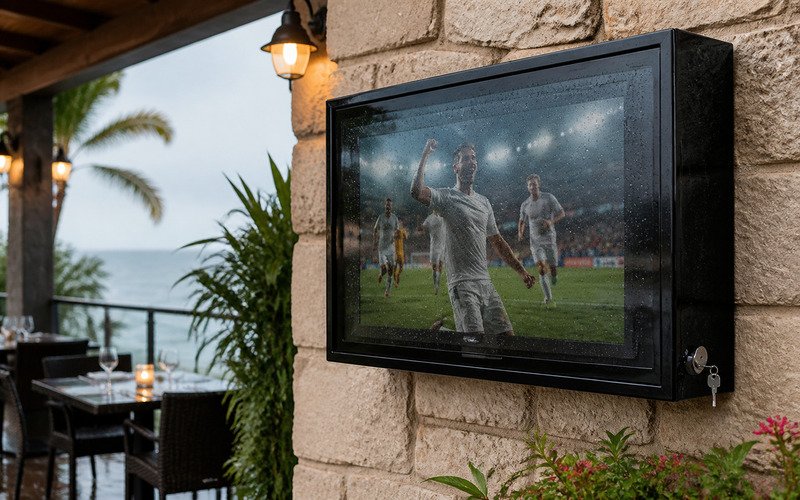
តាមបទពិសោធន៍របស់ខ្ញុំ មនុស្សជាច្រើនមិនបានយល់ដឹងគ្រប់គ្រាន់អំពីភាពចម្រុះនៃការគំរាមកំហែងនៅក្នុងបរិស្ថានខាងក្រៅ។ ភ្លៀងគឺជារឿងច្បាស់លាស់ ដូច្នេះវាទទួលបានការយកចិត្តទុកដាក់ច្រើនបំផុត។ ប៉ុន្តែហានិភ័យដែលកើតឡើងបន្តិចម្តងៗ និងស្ងាត់ៗ ជាញឹកញាប់បង្កគ្រោះថ្នាក់ច្រើនជាង។
នេះគឺជាចំណុចដែលការរចនាអង្គដ្ឋាន និងកម្រិត IP ក្លាយជាសំខាន់។
IP មានន័យថា Ingress Protection (ការការពារការជ្រៀតចូល)។ គណៈកម្មការអេឡិចត្រូតិចនិចអន្តរជាតិពន្យល់ថា កម្រិត IP វាយតម្លៃភាពធន់របស់អង្គដ្ឋានប្រឆាំងនឹងការជ្រៀតចូលនៃធូលី និងវត្ថុរាវ។ កម្រិត IP របស់ IEC
ឧទាហរណ៍ អង្គដ្ឋានទូរទស្សន៍ខាងក្រៅជាច្រើនប្រើគោលដៅការពារ IP65។ និយាយឱ្យសាមញ្ញ IP65 មានន័យថាអង្គដ្ឋាននោះជ្រាបធូលី និងមានការការពារប្រឆាំងនឹងស្ទ្រីមទឹកក្រោមលក្ខខណ្ឌសាកល្បងដែលបានកំណត់។ ទោះយ៉ាងណា ខ្ញុំតែងតែពន្យល់រឿងនេះដោយប្រុងប្រយ័ត្ន៖ IP65 មិនមានន័យថាការពារចំហាយទឹក ការពារការកកើតទឹក ការពារសារធាតុគីមី ឬអាចលិចទឹកបាននោះទេ។ ការការពារពិតប្រាកដនៅតែអាស្រ័យលើការច្របាច់ហ្គាស្កេត ការផ្សាភ្ជាប់ខ្សែ សម្ពាធសោ មុំដំឡើង និងការថែទាំ។
កម្រិតនៃការការពារនេះគឺអំពីច្រើនជាងការរស់រានមានជីវិតពីព្យុះភ្លៀងតែមួយ។ សូមគិតអំពីរបស់ផ្សេងទៀតនៅក្នុងខ្យល់។
- ធូលី និងលំអង៖ ភាគល្អិតល្អិតអាចចូលទៅក្នុងរន្ធខ្យល់នៃទូរទស្សន៍ស្តង់ដារ ស្រោបលើសមាសធាតុខាងក្នុង និងកាត់បន្ថយលំហូរខ្យល់។
- សត្វល្អិត៖ សត្វល្អិតតូចៗអាចចូលទៅក្នុងកន្លែងអេឡិចត្រូនិកដែលមានភាពកក់ក្តៅ និងងងឹត ហើយបង្កបញ្ហាអគ្គិសនី ឬការថែទាំ។
- សំណើម៖ ខ្យល់សើមអាចបង្កើនហានិភ័យនៃការច្រេះ ឬការកកើតចំហាយទឹកនៅក្នុងបរិស្ថានមួយចំនួន។
- ខ្យល់ប្រៃ៖ ខ្យល់តាមឆ្នេរអាចមានឥទ្ធិពលខ្លាំងលើផ្នែកដែក ឧបករណ៍ភ្ជាប់ និងឧបករណ៍ដែលប៉ះពាល់។
- ភ្លៀងដែលបក់ដោយខ្យល់៖ សូម្បីតែរានហាលដែលមានដំបូលក៏អាចទទួលទឹកនៅពេលខ្យល់បក់ភ្លៀងទៅចំហៀង។
សម្រាប់ការដំឡើងតាមឆ្នេរ ការច្រេះគឺជាហានិភ័យមួយដែលខ្ញុំយកចិត្តទុកដាក់យ៉ាងខ្លាំង។ ការណែនាំរបស់ FEMA សម្រាប់ការសាងសង់តាមឆ្នេរបង្ហាញពីសារៈសំខាន់នៃឧបករណ៍ភ្ជាប់ និងវីសដែលធន់នឹងការច្រេះនៅក្នុងតំបន់ឆ្នេរ ដែលជាការរំលឹកដ៏ល្អថាខ្យល់ប្រៃអាចប៉ះពាល់ខ្លាំងលើផ្នែកដែកដែលប៉ះពាល់។ ការណែនាំអំពីការការពារការច្រេះតាមឆ្នេររបស់ FEMA
នេះជាតារាងសាមញ្ញដែលបង្ហាញពីអ្វីដែលប្រអប់បិទជិតជួយការពារបន្ថែមពីភ្លៀង៖
| ការគំរាមកំហែងបរិស្ថាន | របៀបដែលទូរទស្សន៍ដែលមិនបានការពារមានហានិភ័យ | របៀបដែលប្រអប់បិទជិតជួយ |
|---|---|---|
| ភ្លៀង / ស្ទឹងទឹក | ទឹកអាចទៅដល់រន្ធខ្យល់ ច្រកភ្ជាប់ និងអេឡិចត្រូនិកខាងក្នុង។ | តួ និងប្រព័ន្ធកាសែតដែលមានកម្រិត IP ជួយកាត់បន្ថយការចូលទឹកដោយផ្ទាល់។ |
| ធូលី និងលំអង | ភាគល្អិតអាចស្ទះរន្ធខ្យល់ និងកាត់បន្ថយការបន្ថយកម្តៅ។ | ការរចនាការពារធូលីជួយញែកទូរទស្សន៍ចេញពីភាគល្អិតក្នុងខ្យល់។ |
| សំណើម | សំណើមអាចប៉ះពាល់ដល់ឧបករណ៍អេឡិចត្រូនិចក្នុងរយៈពេលយូរ។ | ការរចនាបិទជិតកាត់បន្ថយការប៉ះពាល់ដោយផ្ទាល់ ប៉ុន្តែមិនធ្វើឱ្យទូរទស្សន៍ការពារចំហាយទឹកបានទេ។ |
| សត្វល្អិត | សត្វល្អិតតូចៗអាចចូលតាមរន្ធខ្យល់ និងច្រកភ្ជាប់។ | របាំងរូបវន្តកាត់បន្ថយចំណុចចូល។ |
| ខ្យល់អំបិលតាមឆ្នេរសមុទ្រ | ខ្យល់អំបិលអាចច្រេះផ្នែកដែក និងឧបករណ៍ភ្ជាប់ដែលប៉ះពាល់។ | តួប៉ូលីកាបូណាតមិនច្រេះដូចដែកទេ ខណៈដែលឧបករណ៍ភ្ជាប់នៅតែត្រូវការការរចនាត្រឹមត្រូវ។ |
| ស្ព្រាយសម្អាត | បារខាងក្រៅ រានហាល និងអាងហែលទឹកអាចប្រឈមនឹងការប៉ះពាល់ពីការសម្អាត។ | ច្រកខ្សែដែលបិទជិត និងចង្កឹះកៅស៊ូជួយកាត់បន្ថយការចូលនៃទឹកប្រឡាក់។ |
ដូច្នេះនៅពេលយើងនិយាយអំពីការការពារ តាមពិតយើងកំពុងនិយាយអំពីការបង្កើតកន្លែងស្អាតជាង និងគ្រប់គ្រងបានច្រើនជាងនៅជុំវិញទូរទស្សន៍។ វាមិនមែនជាមន្តអាគមទេ ហើយវាមិនមែនជាការធានាប្រឆាំងនឹងគ្រប់បរិស្ថានទេ។ ប៉ុន្តែវាជាយុទ្ធសាស្ត្រល្អជាងច្រើនជាងការទុកទូរទស្សន៍ក្នុងផ្ទះធម្មតាឱ្យប៉ះពាល់នៅខាងក្រៅ។
តើការដាក់ទូរទស្សន៍របស់ខ្ញុំក្នុងប្រអប់នឹងធ្វើឱ្យវាឡើងកម្តៅខ្លាំងឬ?
អ្នកអាចការពារទូរទស្សន៍របស់អ្នកពីភ្លៀង ប៉ុន្តែឥឡូវវាស្ថិតនៅក្នុងប្រអប់បិទជិត។ នៅថ្ងៃក្តៅ ប្រអប់ដែលរចនាមិនល្អអាចចាប់កម្តៅ និងបន្ថយអាយុកាលរបស់ទូរទស្សន៍។
បាទ/ចាស ទូរទស្សន៍អាចឡើងកម្តៅខ្លាំងនៅក្នុងប្រអប់ដែលមានខ្យល់ចេញចូលមិនល្អ។ នោះហើយជាមូលហេតុដែលប្រអប់ទូរទស្សន៍ក្រៅពិតប្រាកដត្រូវការប្រព័ន្ធត្រជាក់ដែលបានគ្រោងទុក មិនមែនគ្រាន់តែជាសំបកបិទជិតទេ។ កង្ហារ ផ្លូវខ្យល់ គម្លាតខាងក្នុង ស្រមោល និងទីតាំងដំឡើង ទាំងអស់ធ្វើការរួមគ្នាដើម្បីកាត់បន្ថយការប្រមូលផ្តុំកម្តៅជុំវិញទូរទស្សន៍។
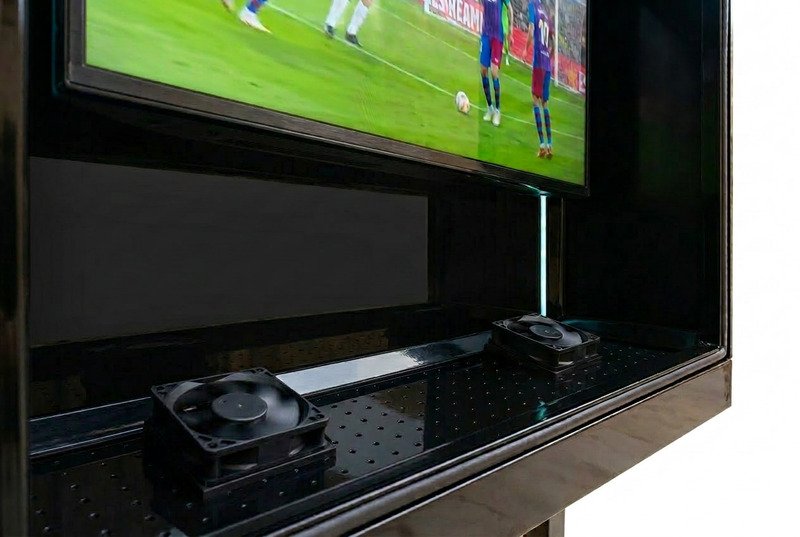
កម្តៅគឺជាអ្វីដែលខ្ញុំហៅថាជាឃាតករលាក់កំបាំងសម្រាប់ឧបករណ៍អេឡិចត្រូនិចក្រៅ។ វាជាកង្វល់មួយក្នុងចំណោមកង្វល់ទូទៅបំផុតដែលខ្ញុំពិភាក្សាជាមួយអ្នកដំឡើង AV ម្ចាស់បារកីឡា អ្នកគ្រប់គ្រងសណ្ឋាគារ និងម្ចាស់ផ្ទះ។
ទូរទស្សន៍បង្កើតកម្តៅកំឡុងពេលដំណើរការ។ ENERGY STAR ពន្យល់ថាទូរទស្សន៍ប្រើប្រាស់ថាមពលក្នុងការប្រើប្រាស់សកម្ម ហើយក្នុងន័យជាក់ស្តែង ថាមពលនោះក្លាយជាកម្តៅដែលត្រូវគ្រប់គ្រងនៅក្នុងប្រអប់។ ទូរទស្សន៍ ENERGY STAR
ការដំឡើងក្រៅបន្ថែមប្រភពកម្តៅមួយទៀត៖ ព្រះអាទិត្យ។ Sony ណែនាំឱ្យប្រើទូរទស្សន៍ក្នុងជួរសីតុណ្ហភាព 0°C ដល់ 40°C / 32°F ដល់ 104°F និងជៀសវាងពន្លឺព្រះអាទិត្យផ្ទាល់។ ការណែនាំសីតុណ្ហភាពទូរទស្សន៍ Sony
នេះជាមូលហេតុដែលគ្រាន់តែដាក់ទូរទស្សន៍ក្នុងធុងប្លាស្ទិកថ្លា ឬប្រអប់ធ្វើដោយខ្លួនឯងដែលបិទជិត គឺជាគំនិតមិនល្អ។ វាអាចទប់ភ្លៀង ប៉ុន្តែវាអាចចាប់កម្តៅ។ នៅថ្ងៃមានពន្លឺព្រះអាទិត្យ វាអាចបង្កើតបញ្ហាថ្មីខណៈដែលដោះស្រាយបញ្ហាដំបូង។
គម្របទូរទស្សន៍ក្រៅអាគារដែលត្រូវបានរចនាឡើងយ៉ាងត្រឹមត្រូវដោះស្រាយបញ្ហានេះតាមរយៈការរចនាលំហូរខ្យល់។ នេះជារបៀបដែលវាដំណើរការ៖
- ការគ្រប់គ្រងសីតុណ្ហភាពដោយទែម៉ូស្តាត៖ កង្ហារអាចត្រូវបានគ្រប់គ្រងដោយទែម៉ូស្តាតខាងក្នុង ដែលបើកនៅពេលសីតុណ្ហភាពគម្របកើនឡើង និងបិទនៅពេលវាត្រជាក់ចុះ។
- ផ្លូវលំហូរខ្យល់៖ ការដាក់កង្ហារគួរបង្កើតចលនាឆ្លងកាត់ផ្នែកខាងក្រោយនៃទូរទស្សន៍ ដែលជាកន្លែងដែលកំដៅជាធម្មតាត្រូវបានបង្កើត។
- ចន្លោះខាងក្នុង៖ ទូរទស្សន៍ត្រូវការចន្លោះជុំវិញវាសម្រាប់ខ្យល់ធ្វើចលនា។ ការដាក់ឱ្យជិតពេកអាចរារាំងលំហូរខ្យល់។
- ការរចនាការបញ្ចេញខ្យល់៖ ខ្យល់ក្តៅត្រូវការផ្លូវចេញដែលបានគ្រោងទុក។
- ការធ្វើឱ្យត្រជាក់ផ្អែកលើទំហំ៖ ទូរទស្សន៍ធំៗ និងការដំឡើងពាណិជ្ជកម្មជាធម្មតាត្រូវការលំហូរខ្យល់ខ្លាំងជាងអេក្រង់រាបស្មើរបស់លំនៅដ្ឋានតូច។
សេរី Pro និង Ultra របស់យើងប្រើប្រព័ន្ធកង្ហារពីរ ឬបួន អាស្រ័យលើទំហំគម្រប និងការប្រើប្រាស់។ ខ្ញុំចង់ពន្យល់យ៉ាងប្រុងប្រយ័ត្ន៖ កង្ហារមិនធ្វើឱ្យគម្របត្រជាក់ទេ ហើយពួកវាមិនដោះស្រាយបញ្ហាដំឡើងទាំងអស់ទេ។ ប៉ុន្តែពួកវាជួយកាត់បន្ថយការប្រមូលផ្តុំកំដៅ ជាពិសេសនៅពេលអេក្រង់ត្រូវបានប្រើនៅខាងក្រៅអស់រយៈពេលយូរ។
កម្រិតនៃការគ្រប់គ្រងកំដៅដែលអ្នកត្រូវការអាស្រ័យលើទីតាំងរបស់អ្នក។
| ទីតាំងដំឡើង | ហានិភ័យកំដៅ | ការធ្វើឱ្យត្រជាក់ដែលបានណែនាំ |
|---|---|---|
| រាបស្មើលំនៅដ្ឋានមានស្រមោល | ទាបទៅមធ្យម | ខ្យល់ចេញចូលជាមូលដ្ឋានអាចដំណើរការ ប៉ុន្តែកង្ហារបន្ថែមរឹមសុវត្ថិភាព។ |
| ក្បែរអាងហែលទឹកក្នុងពន្លឺព្រះអាទិត្យផ្ទាល់ | ខ្ពស់ | ការធ្វើឱ្យត្រជាក់សកម្មជាមួយលំហូរខ្យល់ត្រឹមត្រូវត្រូវបានណែនាំយ៉ាងខ្លាំង។ |
| រាបស្មើបារកីឡាពាណិជ្ជកម្ម | ខ្ពស់ខ្លាំង | ប្រព័ន្ធកង្ហារពីរ ឬបួនជាធម្មតាល្អជាងសម្រាប់ម៉ោងប្រតិបត្តិការយូរ។ |
| តំបន់ក្រៅអាគារសណ្ឋាគារ / រមណីយដ្ឋាន | ខ្ពស់ | កង្ហារ ស្រមោល និងមុំដំឡើងត្រឹមត្រូវមានសារៈសំខាន់។ |
| ការតាំងបង្ហាញនៅរោងចក្រ ឬឃ្លាំង | មធ្យមទៅខ្ពស់ | កង្ហារជួយនៅពេលធូលី និងកំដៅកាត់បន្ថយលំហូរខ្យល់ធម្មតា។ |
សម្រាប់ម្ចាស់អាជីវកម្ម ការបិទទូរទស្សន៍ដោយសារកំដៅខ្លាំងអំឡុងពេលកីឡាសំខាន់ គឺច្រើនជាងភាពរអាក់រអួល។ វាអាចប៉ះពាល់ដល់បទពិសោធន៍អតិថិជន និងចំណូល។ នោះហើយជាមូលហេតុដែលការគ្រប់គ្រងកំដៅមានសារៈសំខាន់ដូចគ្នានឹងការគ្រប់គ្រងទឹកភ្លៀង។
តើទូរទស្សន៍ធម្មតាណាមួយនឹងសមនៅក្នុងគម្របឬ?
អ្នកបានរកឃើញគម្របមួយដែលនិយាយថាវាសមនឹងទូរទស្សន៍ 55 អ៊ីញ។ ទូរទស្សន៍របស់អ្នកមាន 55 អ៊ីញ ដូច្នេះវាគួរតែសមយ៉ាងល្អឥតខ្ចោះ មែនទេ? នេះគឺជាកំហុសមួយដែលជួបប្រទះញឹកញាប់បំផុត និងគួរឱ្យធុញទ្រាន់បំផុតដែលយើងជួយអតិថិជនជៀសវាង។
ទេ ទំហំអេក្រង់តាមអង្កត់ទ្រូងគ្រាន់តែជាជំហានដំបូងប៉ុណ្ណោះ។ អ្នកត្រូវពិនិត្យទទឹង កម្ពស់ ជម្រៅ លំនាំដំឡើង VESA ទីតាំងច្រក និងចន្លោះខ្សែរបស់ទូរទស្សន៍ទាំងស្រុង ធៀបនឹងលក្ខណៈបច្ចេកទេសខាងក្នុងរបស់គម្រប មុនពេលទិញ។ ទូរទស្សន៍ធម្មតាអាចដំណើរការនៅក្នុងគម្របបាន លុះត្រាតែការសម ការដំឡើង និងលំហូរខ្យល់ត្រូវបានត្រឹមត្រូវទាំងអស់។
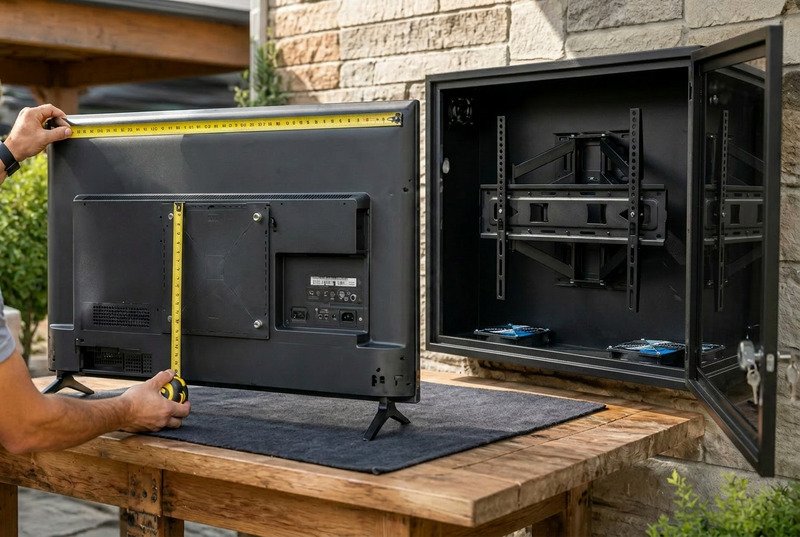
«តើទូរទស្សន៍របស់ខ្ញុំនឹងសមទេ?» គឺជាសំណួរជាក់ស្តែងដំបូងដែលអតិថិជនគ្រប់រូបសួរ។ ហើយវាជាសំណួរត្រឹមត្រូវ។
ទោះបីជាទូរបស់យើងត្រូវបានរចនាឡើងសម្រាប់ភាពត្រូវគ្នាយ៉ាងទូលំទូលាយជាមួយទូរទស្សន៍ទំនើបៗជាច្រើនក៏ដោយ ក៏មិនគួរមានទូណាមួយត្រូវបានពិពណ៌នាថាសមសម្រាប់គ្រប់ម៉ូដែលនោះទេ។ ពាក្យ «ទូរទស្សន៍ 55 អ៊ីញ» អាចធ្វើឱ្យយល់ច្រឡំ។ វាគ្រាន់តែពិពណ៌នាអំពីទំហំអង្កត់ទ្រូងនៃអេក្រង់ប៉ុណ្ណោះ។ វាមិនប្រាប់អ្នកអំពីទទឹង កម្ពស់ ជម្រៅ ទីតាំងច្រក ឬរូបរាងខាងក្រោយពិតប្រាកដរបស់ទូរទស្សន៍នោះទេ។
ដើម្បីជៀសវាងបញ្ហាក្នុងការដំឡើង យើងតែងតែណែនាំអតិថិជន B2B និងម្ចាស់ផ្ទះឱ្យពិនិត្យរឿងមួយចំនួនមុនពេលបញ្ជាទិញ។
ការវាស់វែងសំខាន់ៗដែលត្រូវពិនិត្យមុនពេលទិញ
- វិមាត្រសរុប
វាស់ទទឹង កម្ពស់ និងជម្រៅជាក់ស្តែងពេញលេញរបស់ទូរទស្សន៍ដោយគ្មានជើងទម្រ។ បន្ទាប់មកប្រៀបធៀបលេខទាំងនោះជាមួយវិមាត្រខាងក្នុងរបស់ទូ។ - ជម្រៅទូរទស្សន៍
ជម្រៅច្រើនតែជាបញ្ហាលាក់កំបាំង។ ទូរទស្សន៍ខ្លះក្រាស់ជាងនៅផ្នែកខាងក្រោមដោយសារតែឧបករណ៍បំពងសំឡេង បន្ទះថាមពល ឬស្រោមខាងក្រោយ។ ទូរទស្សន៍អាចសមតាមទទឹង ប៉ុន្តែនៅតែជ្រៅពេកសម្រាប់ទូបិទបានត្រឹមត្រូវ។ - លំនាំដំឡើង VESA
VESA គឺជាលំនាំរន្ធវីសស្តង់ដារនៅខាងក្រោយទូរទស្សន៍ ដូចជា 400 × 400 មីលីម៉ែត្រ។ Ergotron ពន្យល់ថាស្តង់ដារដំឡើង VESA កំណត់វិមាត្រនៃចំណុចភ្ជាប់រន្ធបួននៅខាងក្រោយអេក្រង់ និងវីសដែលប្រើសម្រាប់រន្ធទាំងនោះ។ ការណែនាំដំឡើង VESA របស់ Ergotron - ទីតាំងច្រកខ្សែ
ពិនិត្យមើលទីតាំងច្រក HDMI ថាមពល USB និងបណ្តាញ។ អ្នកត្រូវការទំហំគ្រប់គ្រាន់សម្រាប់ខ្សែដែលត្រូវដោត និងបត់ដោយមិនឱ្យវាត្រូវបានគៀបខ្លាំង។ - ចន្លោះខ្យល់ចេញចូល
ទូរទស្សន៍មិនគួរត្រូវបានគៀបជិតនឹងជញ្ជាំងទូនោះទេ។ ទុកចន្លោះសម្រាប់ចលនាខ្យល់ជុំវិញផ្នែកខាងក្រោយទូរទស្សន៍។
យើងដាក់សន្លឹកបញ្ជាក់លម្អិតដែលមានវិមាត្រខាងក្នុងនៅលើទំព័រផលិតផលរបស់យើងសម្រាប់ហេតុផលនេះ។ ការចំណាយពេលប្រាំនាទីដើម្បីវាស់វែងអាចសន្សំសំចៃម៉ោងជាច្រើននៃបញ្ហាក្នុងការដំឡើង។ យើងចង់ឱ្យអតិថិជនមានទំនុកចិត្តថា នៅពេលទូមកដល់ ទូរទស្សន៍អាចត្រូវបានដំឡើង ភ្ជាប់ ធ្វើឱ្យត្រជាក់ និងថែទាំបានត្រឹមត្រូវ។
តើទូត្រូវបានផលិតពីអ្វី ហើយតើវារឹងមាំគ្រប់គ្រាន់ទេ?
អ្នកត្រូវការស្រោមការពារ ប៉ុន្តែអ្នកមិនចង់ឱ្យវាមើលទៅថោក ក្លាយជាផុយក្នុងពន្លឺព្រះអាទិត្យ ច្រែះនៅជិតឆ្នេរសមុទ្រ ឬងាយស្រួលវាយបំបែកនោះទេ។ នេះគឺជាកង្វល់ត្រឹមត្រូវសម្រាប់ការដំឡើងក្រៅអាគារណាមួយ។
គម្របទូរទស្សន៍ក្រៅផ្ទះដែលមានគុណភាពមិនត្រូវបានផលិតពីប្លាស្ទិកស្តើងធម្មតាទេ។ គម្របដ៏ល្អត្រូវការសម្ភារៈដែលធន់នឹងការប៉ះទង្គិច រចនាសម្ព័ន្ធដែលមានស្ថេរភាពចំពោះកាំរស្មី UV ខែលខាងមុខថ្លាដ៏រឹងមាំ ការចាក់សោបាន និងការរចនាដែលធន់នឹងការច្រេះ។ ប៉ូលីកាបូណេតត្រូវបានប្រើជាញឹកញាប់ព្រោះវារួមបញ្ចូលគ្នានូវភាពថ្លា ភាពធន់នឹងការប៉ះទង្គិច ទម្ងន់ស្រាលជាង និងតួដែលមិនច្រេះដូចដែក។
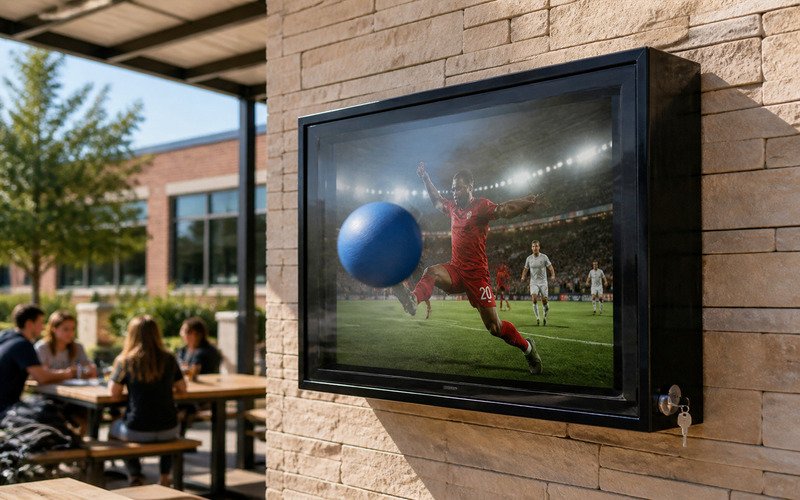
ការជ្រើសរើសសម្ភារៈគឺជាការសម្រេចចិត្តផ្នែកវិស្វកម្មដ៏សំខាន់បំផុតមួយនៅក្នុងគម្របទូរទស្សន៍ក្រៅផ្ទះ។ វាប៉ះពាល់ដល់ភាពធន់ សុវត្ថិភាព ទម្ងន់ រូបរាង ភាពធន់នឹងការច្រេះ និងសូម្បីតែការបញ្ជូនសញ្ញាឥតខ្សែ។
ពីបទពិសោធន៍ផលិតកម្មរបស់យើង យើងបានដឹងថាមិនមែនសម្ភារៈទាំងអស់មានឥរិយាបថដូចគ្នាបន្ទាប់ពីការប៉ះពាល់ក្រៅផ្ទះអស់រយៈពេលជាច្រើនឆ្នាំនោះទេ។
អតិថិជនមួយចំនួនស្នើសុំដែក ឬឈើដោយសារហេតុផលសោភ័ណភាព។ មានករណីដែលសម្ភារៈទាំងនោះអាចដំណើរការបាន ប៉ុន្តែសម្រាប់ការការពារក្រៅផ្ទះដែលមានប្រសិទ្ធភាពខ្ពស់ មុខងារត្រូវដឹកនាំការរចនា។
យើងប្រើប៉ូលីកាបូណេតដោយសារហេតុផលជាក់លាក់ខ្លាំង។ Covestro ពិពណ៌នាប៉ូលីកាបូណេត Makrolon ថារឹងមាំ ទម្ងន់ស្រាល ថ្លាដូចកញ្ចក់ និងធន់នឹងការប៉ះទង្គិចសូម្បីតែនៅសីតុណ្ហភាពទាប។ ប៉ូលីកាបូណេត Covestro Makrolon
Covestro ក៏ពិពណ៌នាប៉ូលីកាបូណេតធន់នឹងការប៉ះទង្គិចថាសមស្របសម្រាប់ឧបករណ៍ក្រៅផ្ទះដ៏អាក្រក់ ដូចជា Wi-Fi ក្រៅផ្ទះ ឧបករណ៍សាករថយន្តអគ្គិសនី និងឧបករណ៍បណ្តាញ។ ប៉ូលីកាបូណេតធន់នឹងការប៉ះទង្គិចក្រៅផ្ទះរបស់ Covestro
នេះជាការប្រៀបធៀបជាក់ស្តែង៖
| លក្ខណៈពិសេស | ប៉ូលីកាបូណេត | ដែក |
|---|---|---|
| ភាពធន់នឹងការច្រេះ | តួមិនច្រេះដូចដែក។ | អាចច្រេះប្រសិនបើស្រទាប់ការពារ ថ្នេរ ឬផ្នែករឹងខូចខាត។ |
| ភាពធន់នឹងការប៉ះទង្គិច | ភាពធន់នឹងការប៉ះទង្គិចខ្ពស់ជាមួយភាពបត់បែន។ | រឹងមាំ ប៉ុន្តែអាចខូចទ្រង់ទ្រាយជាអចិន្ត្រៃយ៍នៅពេលប៉ះទង្គិច។ |
| ទម្ងន់ | ស្រាលជាង និងងាយស្រួលដំឡើង។ | ធ្ងន់ជាង និងអាចត្រូវការការដំឡើងដែលរឹងមាំជាង។ |
| ភាពថ្លា | អាចប្រើជាខែលខាងមុខថ្លាបាន។ | ត្រូវការបង្អួចខាងមុខដោយឡែក ឬការរចនាបើកគម្រប។ |
| សញ្ញាឥតខ្សែ | អនុញ្ញាតឱ្យ Wi-Fi និង Bluetooth ឆ្លងកាត់បានយ៉ាងងាយស្រួលជាង។ | អាចបន្ថយសញ្ញាឥតខ្សែអាស្រ័យលើការរចនា។ |
| ការប្រើប្រាស់នៅតំបន់ឆ្នេរ | កាត់បន្ថយហានិភ័យនៃច្រែះលើតួ។ | ត្រូវការការស្រោប និងការជ្រើសរើសគ្រឿងបន្លាស់ដោយប្រុងប្រយ័ត្ន។ |
ខ្ញុំជៀសវាងនិយាយថា polycarbonate គឺល្អឥតខ្ចោះ។ វានៅតែត្រូវការកម្រាស់សមស្រប ការការពារកាំរស្មី UV គុណភាពនៃការផ្សិត ការរចនាប្រដាប់ផ្សាភ្ជាប់ និងការរចនាប្រព័ន្ធបន្ថយកម្តៅ។ ប៉ុន្តែសម្រាប់គម្របទូរទស្សន៍ក្រៅផ្ទះជាច្រើន វាផ្តល់នូវតុល្យភាពដ៏រឹងមាំរវាងប្រសិទ្ធភាព និងភាពជាក់ស្តែង។
ក្រៅពីអាកាសធាតុ សុវត្ថិភាពក៏សំខាន់ផងដែរ។ ទូរទស្សន៍ដែលគ្មានការការពារនៅក្នុងទីសាធារណៈអាចក្លាយជាគោលដៅនៃការលួច ការរំខាន ឬការខូចខាតដោយចៃដន្យ។ គម្របដែលអាចចាក់សោបាន ជាមួយខែលខាងមុខរឹងមាំ និងការរៀបចំខ្សែដែលបានគ្រប់គ្រង ជួយកាត់បន្ថយហានិភ័យទាំងនោះ។
វាមិនធ្វើឱ្យទូរទស្សន៍មិនអាចខូចខាត ឬលួចបាននោះទេ ប៉ុន្តែវាធ្វើឱ្យការចូលប្រើដោយធម្មតាកាន់តែពិបាក និងការពារអេក្រង់ពីគ្រោះថ្នាក់ក្រៅផ្ទះទូទៅជាច្រើន។
តើគម្របការពារទូរទស្សន៍ដូចម្តេច ខណៈដែលនៅតែអនុញ្ញាតឱ្យអ្នកមើលវា?
អ្នកចង់បានការការពារ ប៉ុន្តែអ្នកក៏ចង់ឱ្យទូរទស្សន៍ងាយស្រួលប្រើផងដែរ។ ប្រសិនបើគម្របធ្វើឱ្យការមើលមិនស្រួល បុគ្គលិក ឬសមាជិកគ្រួសារអាចទុកវាបើក ហើយបង្ហាញទូរទស្សន៍ជាធម្មតា។
គម្របទូរទស្សន៍ក្រៅផ្ទះដ៏ល្អការពារទូរទស្សន៍ ខណៈដែលរក្សាវាឱ្យអាចមើលឃើញ និងប្រើប្រាស់បាន។ ខែលខាងមុខថ្លាអនុញ្ញាតឱ្យមើលដោយមិនចាំបាច់បើកគម្រប ខណៈដែលតួដែលអាចចាក់សោបានរក្សាទូរទស្សន៍ ខ្សែ និងច្រកឱ្យមានការការពារក្នុងអំឡុងពេលប្រើប្រាស់ និងបន្ទាប់ពីពេលបិទ។
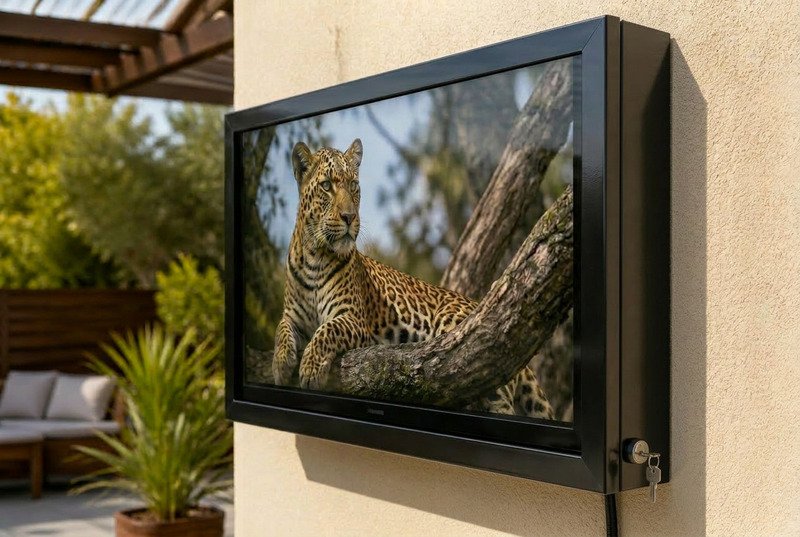
នេះគឺជាភាពខុសគ្នាដ៏ធំបំផុតមួយរវាងការរចនាគម្រប។
គម្របចាស់ ឬបែបខុទ្ទកាល័យមួយចំនួនប្រើទ្វារខាងមុខរឹង។ ដើម្បីមើលទូរទស្សន៍ អ្នកបើកទ្វារ។ វាអាចដំណើរការនៅក្នុងកន្លែងដែលមានការការពារមួយចំនួន ប៉ុន្តែវាបង្កបញ្ហាជាក់ស្តែង៖ ទូរទស្សន៍ត្រូវបានបង្ហាញខណៈដែលអ្នកកំពុងមើលវា។
នៅលើរានហាលលំនៅដ្ឋាន នោះអាចគ្រាន់តែជាការរអាក់រអួលតូចមួយ។ នៅក្នុងបារ សណ្ឋាគារ រមណីយដ្ឋាន សាលារៀន ឬតំបន់សាធារណៈ វាក្លាយជាបញ្ហាធំជាង។ បុគ្គលិកអាចភ្លេចបិទគម្រប។ ភ្លៀងអាចមកដល់ភ្លាមៗ។ ធូលី និងសត្វល្អិតអាចចូលរាល់ពេលដែលគម្របបើក។
គម្របខាងមុខថ្លាជួយជៀសវាងបញ្ហានេះ។ ទូរទស្សន៍នៅតែមើលឃើញតាមរយៈខែលខាងមុខ ដូច្នេះអ្នកមិនចាំបាច់បើកគម្របដើម្បីមើលទេ។ ការការពារនៅតែមានប្រសិទ្ធភាពខណៈពេលដែលទូរទស្សន៍កំពុងដំណើរការ។
នោះគឺជាតក្កវិជ្ជានៃការរចនាដែលយើងពេញចិត្ត៖ ការពារទូរទស្សន៍ទាំងពេលផ្ទុក និងពេលប្រើប្រាស់។
| ធាតុរចនា | តួនាទីការពារ |
|---|---|
| ខែលខាងមុខថ្លា | អនុញ្ញាតឱ្យមើលឃើញខណៈពេលការពារអេក្រង់។ |
| តួដែលអាចចាក់សោបាន | កំណត់ការចូលប្រើប្រាស់ឧបករណ៍បញ្ជា ខ្សែ និងច្រករបស់ទូរទស្សន៍។ |
| តង្កៀបដំឡើងខាងក្នុង | កាន់ទូរទស្សន៍ឱ្យជាប់ខាងក្នុងគម្របយ៉ាងមាំ។ |
| ការផ្សាភ្ជាប់ខ្សែ | កាត់បន្ថយការចូលនៃធូលី ទឹក និងសត្វល្អិតតាមរយៈរន្ធខ្សែ។ |
| ប្រព័ន្ធកង្ហាញ | ជួយបញ្ចេញខ្យល់ក្តៅចេញពីទូរទស្សន៍។ |
| ការបង្ហាប់វត្ថុផ្សាភ្ជាប់ | ជួយរក្សាការផ្សាភ្ជាប់ការពារជុំវិញគម្រប។ |
នេះជាហេតុផលដែលខ្ញុំប្រាប់អតិថិជនថា គម្របមិនត្រឹមតែជាប្រអប់ផ្ទុកប៉ុណ្ណោះទេ។ វាជាបរិស្ថានប្រតិបត្តិការដែលមានការការពារ។
សំណួរដែលសួរញឹកញាប់
តើគម្របនឹងប៉ះពាល់ដល់គុណភាពរូបភាពរបស់ទូរទស្សន៍ឬទេ?
គម្របគុណភាពខ្ពស់គួរប្រើបន្ទះខាងមុខថ្លាដែលរចនាឡើងសម្រាប់ការមើលខាងក្រៅ។ អាចនៅមានការឆ្លុះបញ្ចាំងខ្លះ ជាពិសេសក្នុងពន្លឺថ្ងៃខ្លាំង ដូច្នេះទីតាំង ស្រមោល ពន្លឺអេក្រង់ និងមុំមើលសុទ្ធតែមានសារៈសំខាន់។ សម្រាប់លទ្ធផលល្អបំផុត សូមជៀសវាងពន្លឺថ្ងៃផ្ទាល់ប៉ះអេក្រង់រាល់ពេលដែលអាចធ្វើទៅបាន។
តើខ្ញុំអាចទុកទូរទស្សន៍ក្នុងគម្របពេលរដូវរងាបានទេ?
បាទ/ចាស គម្របត្រូវបានរចនាឡើងសម្រាប់ការការពារខាងក្រៅពេញមួយឆ្នាំ ប៉ុន្តែទូរទស្សន៍ខាងក្នុងនៅតែមានដែនកំណត់សីតុណ្ហភាពប្រតិបត្តិការផ្ទាល់ខ្លួន។ សីតុណ្ហភាពទាបខ្លាំងអាចប៉ះពាល់ដល់បន្ទះ LCD ឬគ្រឿងអេឡិចត្រូនិករបស់ទូរទស្សន៍។ ត្រូវពិនិត្យការណែនាំសីតុណ្ហភាពរបស់អ្នកផលិតទូរទស្សន៍ជានិច្ចមុនពេលប្រើអេក្រង់ក្នុងភាពត្រជាក់ខ្លាំង។
តើគម្របត្រូវការការថែទាំប៉ុន្មាន?
ការថែទាំជាធម្មតាសាមញ្ញ។ ជូតបន្ទះខាងមុខដោយក្រណាត់ទន់ដែលមិនសំណឹក ពិនិត្យថារន្ធខ្យល់កង្ហាញមិនស្ទះ និងពិនិត្យច្រកខ្សែ វត្ថុផ្សាភ្ជាប់ និងសោជាប្រចាំ។ នៅតំបន់ឆ្នេរ តំបន់ធូលី ឬតំបន់ដែលមានលម្អងច្រើន ការសម្អាត និងការត្រួតពិនិត្យគួរធ្វើញឹកញាប់ជាង។
តើគម្របទូរទស្សន៍ខាងក្រៅគ្មានទឹកជ្រាបឬទេ?
វាល្អជាងក្នុងការនិយាយថាធន់នឹងអាកាសធាតុ ឬមានចំណាត់ថ្នាក់ IP ជាជាងគ្រាន់តែគ្មានទឹកជ្រាប។ គម្រប IP65 គឺជ្រាបធូលី និងការពារប្រឆាំងនឹងយន្តទឹកក្រោមលក្ខខណ្ឌសាកល្បងដែលបានកំណត់ ប៉ុន្តែវាមិនត្រូវបានរចនាឡើងសម្រាប់ការលិចទឹក ការប៉ះពាល់ចំហាយទឹក ឬការដំឡើងខ្សែមិនត្រឹមត្រូវទេ។
តើខ្ញុំអាចប្រើទូរទស្សន៍ក្នុងផ្ទះណាមួយនៅក្នុងស្រោមខាងក្រៅបានទេ?
មិនមែនតែងតែបានទេ។ អ្នកត្រូវពិនិត្យទំហំទូរទស្សន៍ គំរូ VESA ច្រកខ្សែ ការបញ្ចេញកំដៅ និងការណែនាំអំពីសីតុណ្ហភាពប្រតិបត្តិការ។ ស្រោមនេះជួយកាត់បន្ថយការប៉ះពាល់បរិស្ថាន ប៉ុន្តែវាមិនផ្លាស់ប្តូរការវាយតម្លៃប្រើប្រាស់ខាងក្រៅដើម ឬលក្ខខណ្ឌការធានារបស់ក្រុមហ៊ុនផលិតទូរទស្សន៍ទេ។
តើស្រោមការពារការលួចទេ?
ស្រោមដែលអាចចាក់សោបានអាចជួយកាត់បន្ថយការលួចស្រាលៗ ការរំខាន និងការចូលប្រើខ្សែ ឬច្រកដោយគ្មានការអនុញ្ញាត។ ទោះជាយ៉ាងណា គ្មានស្រោមណាមួយគួរត្រូវបានពិពណ៌នាថាការពារការលួចបានទាំងស្រុងទេ។ ការដំឡើងជាប់នឹងជញ្ជាំង ការរចនាសោ កម្ពស់ដំឡើង និងការត្រួតពិនិត្យទីតាំងនៅតែសំខាន់។
សេចក្តីសន្និដ្ឋាន
ស្រោមទូរទស្សន៍ខាងក្រៅគឺជាប្រព័ន្ធការពារពេញលេញដែលគ្រប់គ្រងអាកាសធាតុ កំដៅ ធូលី សត្វល្អិត ហានិភ័យច្រេះ ការប៉ះទង្គិច និងការគ្រប់គ្រងការចូលប្រើ។ វាបំប្លែងទូរទស្សន៍ក្នុងផ្ទះធម្មតាទៅជាដំណោះស្រាយអេក្រង់ខាងក្រៅដែលអនុវត្តបានច្រើនជាងមុន ដោយបង្កើតកន្លែងការពារដែលគ្រប់គ្រងបាននៅជុំវិញវា។
ចំណុចសំខាន់គឺថាស្រោមមិនមែនគ្រាន់តែជាលក្ខណៈពិសេសមួយប៉ុណ្ណោះទេ។
តួដែលមានចំណាត់ថ្នាក់ IP ជួយការពារទឹកភ្លៀង និងធូលី។
ប្រដាប់ផ្សាភ្ជាប់ និងច្រកខ្សែជួយកាត់បន្ថយចំណុចខ្សោយ។
កង្ហារជួយគ្រប់គ្រងកំដៅ។
ផ្នែកខាងមុខប៉ូលីកាបូណាតជួយទប់ទល់ការប៉ះទង្គិច និងរក្សាភាពមើលឃើញច្បាស់។
សោជួយគ្រប់គ្រងការចូលប្រើ។
ប្រព័ន្ធដំឡើងខាងក្នុងជួយរក្សាទូរទស្សន៍ឱ្យមានសុវត្ថិភាព។
វិធីដែលខ្ញុំពន្យល់អតិថិជនគឺសាមញ្ញ៖
ទូរទស្សន៍ធម្មតាត្រូវបានផលិតសម្រាប់បន្ទប់ក្នុងផ្ទះដែលស្អាត។ ស្រោមទូរទស្សន៍ខាងក្រៅជួយបង្កើតកន្លែងដែលមានសុវត្ថិភាពជាង ស្អាតជាង និងគ្រប់គ្រងបានច្រើនជាងនៅជុំវិញទូរទស្សន៍នោះ នៅពេលវាផ្លាស់ទីទៅខាងក្រៅ។
សម្រាប់រានហាល បារ សណ្ឋាគារ សាលារៀន រោងចក្រ តំបន់អាងហែលទឹក និងតំបន់ឆ្នេរ ស្រទាប់ការពារនោះអាចធ្វើឱ្យមានភាពខុសគ្នារវាងការសាកល្បងរយៈពេលខ្លី និងដំណោះស្រាយអេក្រង់ខាងក្រៅរយៈពេលវែង។